
Gentle Recovery After a Laparoscopy
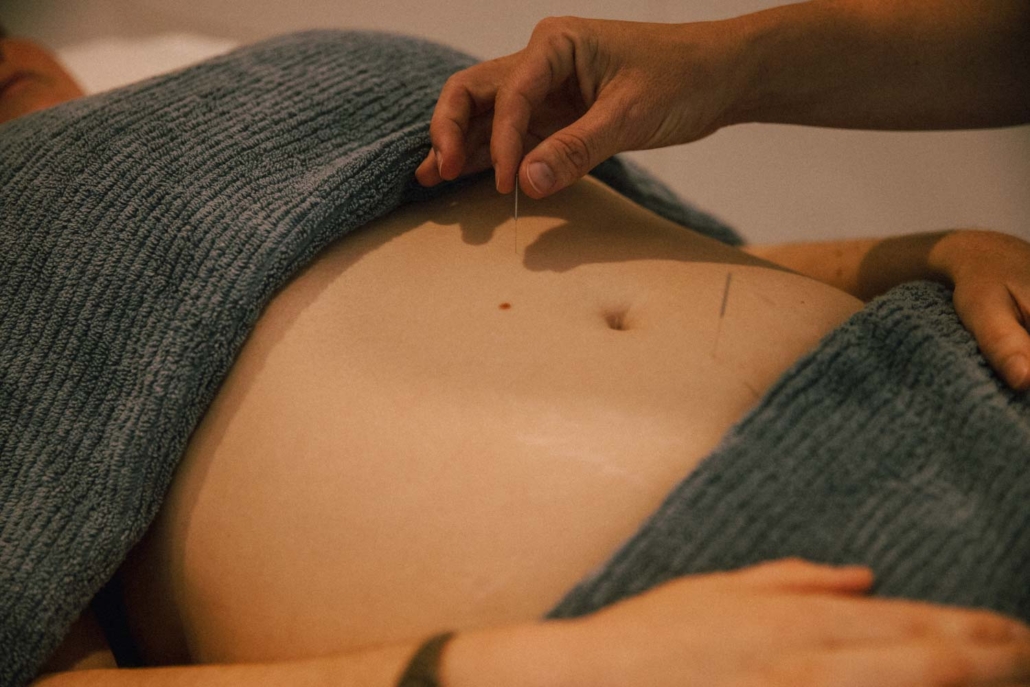
A laparoscopy is often called “keyhole” or minor surgery, but your body has still been through a lot. You’ve had a general anaesthetic, your abdomen has been filled with gas, and tissue inside has been handled, cut or removed. Many people having a laparoscopy are also waiting on answers about endometriosis, cysts or fertility, so recovery can be emotional as well as physical.
Recovery is different for everyone. Here are the foundations I share with my clients to help them feel more supported in the weeks after surgery.
Your surgeon’s instructions always come first. Use this as a companion to their advice, not a replacement.
Rest comes first
In the first few days, your main job is to rest. Your body heals best when it isn’t busy coping with stress, a full schedule or other people’s needs. Ask for help with meals, school runs and housework, and accept it when it’s offered.
Sleep
Sleep is when much of your body’s repair work happens, so give it space.
- Nap during the day if you need to. It isn’t lazy, it’s recovery.
- Lying flat can feel uncomfortable at first. Try propping yourself up with pillows, or lying on your side with a pillow between your knees.
- Hold a small pillow against your belly when you cough, sneeze, laugh or get out of bed. Supporting your abdomen this way can ease discomfort around the incisions.
- Keep evenings calm and screens dim. Pain, pain medication and a disrupted routine can all affect sleep, so make the rest of the evening as easy on your body as you can.
Gentle movement
Rest doesn’t mean staying in bed. Gentle movement, started early, helps your circulation, lowers the risk of clots, helps your bowels get moving and helps your body absorb the leftover gas.
- Start with short, slow walks around the house within the first day or so, then gradually go further. Little and often is better than one big outing.
- Take a few slow, deep breaths into your belly and ribs several times a day.
- Avoid heavy lifting, strenuous exercise, swimming and baths until your surgeon says it’s okay. That’s usually a few weeks, depending on your procedure.
- Listen to your body. Being tired is normal. A sharp or increasing pain is a sign to stop and rest.
About shoulder pain
Many people are surprised to feel pain in their shoulder tip after a laparoscopy. It comes from the gas used to inflate the abdomen during surgery, which can irritate a nerve that refers pain to the shoulder. Walking, gentle movement and a heat pack on the shoulder can help. It usually settles within a few days as your body absorbs the gas.
Warm, easy-to-digest food
After anaesthetic and surgery, digestion is often slow. In Chinese medicine, we would say your digestive energy needs extra support. Warm, cooked, simple foods are easier for your body to break down, which leaves more energy for healing.
Foods that tend to work well:
- Soups, broths and stews
- Congee or porridge
- Slow-cooked meats and well-cooked vegetables
- Stewed apples or pears
- Eggs, rice and soft-cooked grains
- Ginger tea for nausea, or peppermint tea to help with wind
For the first week or two, go easy on cold, raw, very rich, greasy or heavily processed foods, which can feel heavy on a sluggish digestive system.
Before surgery, it’s worth cooking a few batches of soup or congee for the freezer, or asking a friend to organise a meal roster.
Getting your bowels moving
This is the part nobody wants to talk about, but it matters. Anaesthetic, pain medication (especially codeine and other opioids), less movement and changes to eating can all slow your bowels. Straining on the toilet after abdominal surgery is uncomfortable, so it helps to plan ahead.
- Drink plenty of water and warm fluids through the day.
- Include gentle fibre such as stewed fruit, prunes, kiwifruit, pears, oats and cooked vegetables.
- Keep walking, because movement helps your bowels move too.
- Put a small footstool under your feet on the toilet to bring your knees above your hips.
- Hold a pillow against your belly for support, and don’t strain.
- If you’re taking pain medication, ask your pharmacist or GP about a gentle stool softener. It’s much easier to prevent constipation than to treat it.
Castor oil packs, once you’ve healed
Castor oil packs have been used traditionally to support circulation and fluid movement in the lower abdomen. Many of my clients like to use them as part of their recovery once they’ve healed. The warmth and the 45–60 minutes of rest can be a lovely ritual during a time that often feels clinical.
Please wait until:
- your incisions are fully closed, with no scabs, weeping or redness, and
- your surgeon is happy for you to apply heat and oil to the area.
Once your scars are healed, you can also gently massage castor oil into them. Find the firmest or least mobile spots and work your fingertips over each in small clockwise circles.
Never apply castor oil or heat to open wounds or fresh incisions. You’ll find full instructions in my castor oil pack article [link].
Acupuncture in your recovery
Acupuncture can be a gentle way to support your body as it recovers, and it’s something many of my clients include in their post-surgery care.
The strongest research is for nausea after surgery. A Cochrane review of 59 trials found that stimulating PC6 (Neiguan), an acupuncture point on the inner wrist, lowered rates of nausea and vomiting after surgery compared with sham treatment (Lee et al., Cochrane Database of Systematic Reviews, 2015). You can stimulate this point at home with acupressure wristbands from the pharmacy. They’re worth packing in your hospital bag.
There is also promising research on electroacupuncture helping bowel function come back after laparoscopic surgery. A 2025 trial of 585 people found it shortened the time until the bowels started working again after laparoscopic stomach surgery (Gastroenterology, 2025). These studies involved bowel and stomach surgery done in hospital, not gynaecological laparoscopies, so we can’t assume the results are the same. Still, it’s an encouraging area of research.
In clinic, I tailor treatment to how you’re recovering. That might include support for digestion and bowels, sleep, energy, and the emotional side of surgery and a new diagnosis. Treatment is done lying comfortably, and needles are kept well away from your incisions. Most people come in once they’re moving around comfortably and able to travel, usually in the first week or two. If you’re also working on a fertility plan or managing endometriosis, recovery is a good time to think about what comes next.
Wound care
Follow your surgeon’s instructions for dressings and showering. Keep incisions clean and dry, pat them dry after showering, and avoid soaking them in a bath or pool until they’re fully healed.
Be gentle with your mind too
A laparoscopy often comes with news, such as a diagnosis, findings or a plan for what’s next. It’s normal to feel relieved, overwhelmed, flat or all three. Give yourself time to take it in, and lean on the people around you. If you have questions about your results, write them down for your follow-up appointment.
When to call your doctor
Contact your surgeon, GP or the hospital straight away, or call 000 in an emergency, if you have:
- a fever of 38°C or higher, or chills
- pain that is getting worse instead of better, or isn’t eased by your pain relief
- redness, heat, swelling, pus or bleeding from an incision
- ongoing nausea or vomiting, or you can’t keep fluids down
- trouble passing urine, or no bowel movement or wind for several days along with bloating or pain
- pain, swelling or redness in your calf
- shortness of breath or chest pain
Support for your recovery
Recovery after a laparoscopy is a good time to think about your health more broadly, whether that’s understanding a new diagnosis, planning for fertility or simply getting back to feeling like yourself. If you’d like acupuncture as part of your recovery, or support working out your next steps, you’re welcome to book a connection call and we can find what suits you best.
Disclaimer: This information is general only and isn’t a substitute for individual medical advice. Always follow your surgeon’s post-operative instructions, and speak with your health practitioner about your own situation.



Leave a Reply
Want to join the discussion?Feel free to contribute!